Alcoholic Beverage Promotion Prohibition Act
An Act to prohibit the promotion of alcoholic beverages
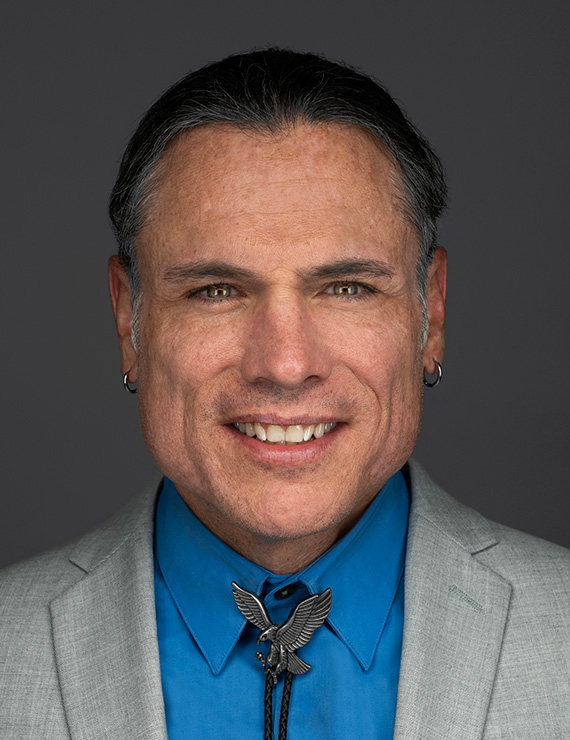 Patrick Brazeau
- Introduced
- 2025-05-28
- Debated
- Never mentioned in debate
- Sponsor
- Patrick Brazeau
This bill, introduced in the Senate, would broadly ban the advertising and promotion of alcoholic beverages in Canada, similar to how tobacco advertising is restricted. It prohibits promoting alcohol in ways that could appeal to young people, use testimonials, celebrities, characters or animals, or link drinking to lifestyles involving glamour, excitement, or risk-taking. It also bans false or misleading promotion, sponsorship deals that display alcohol brands, naming sports or cultural facilities after alcohol brands, and giving free alcohol or other incentives to encourage purchases. Some narrow exceptions exist: purely factual information about price or availability, promotions sent directly to identified adults, promotion within adult-only venues, artistic or news works that mention alcohol without payment, and business-to-business promotion within the alcohol industry.
The bill sets up a system for enforcing these rules. The government would designate a responsible minister and appoint inspectors who could enter premises (with a warrant needed for private homes), examine records, seize materials used in prohibited promotions, and order businesses to stop non-compliant advertising. The Governor in Council (the federal cabinet) is given power to create detailed regulations filling in specifics, such as what places or methods qualify for exceptions.
Breaking these rules would be a criminal offence. General violations could bring fines up to $50,000 or six months in jail, while violations of the core promotion bans could bring fines up to $500,000 (summary conviction) or $1,000,000 and two years in prison (if prosecuted more seriously by indictment). Company directors and employees can also be personally liable if they were involved in the violation, and each day a violation continues counts as a separate offence. Businesses can defend themselves by showing they took reasonable care to comply. If passed, the law would take effect within one year of receiving royal assent, or earlier if the government sets an earlier date.
This bill prohibits the promotion of alcoholic beverages, creates inspection and enforcement powers to police that prohibition, and sets out offences and penalties for violations.
- New role — a Minister is designated by the Governor in Council (Cabinet) from among existing Privy Council members to administer the Act; this Minister may designate individuals or classes of individuals as inspectors with no numeric limit or qualification criteria stated.
- Entry and seizure powers — inspectors may enter any place, including private property and (with a warrant or occupant consent) dwelling-houses, remotely via telecommunication, or physically; they may examine, copy, photograph, seize and detain items, order people to produce records or identify themselves, and order businesses to stop or start activities, all on the inspector's own "reasonable grounds" belief.
- Use of force — force may be used in executing a warrant if a peace officer accompanies the inspector and the warrant specifically authorizes it.
- Regulation-making left to Cabinet — the Governor in Council may make regulations defining exceptions to the promotion ban, prescribing where and how informational or brand-preference promotion is allowed, prescribing prohibited terms/symbols, setting inspector powers and costs, and "generally for carrying out the purposes of this Act" — leaving substantial detail undefined in the bill itself.
- Penalties — general contraventions carry fines up to $50,000 or six months' imprisonment; promotion-related offences (ss. 6–12) carry up to $500,000 or one year on summary conviction, or up to $1,000,000 or two years on indictment; each day of continuing violation counts as a separate offence; corporate directors/officers/agents can be personally liable.
- Reversed burden of proof — in prosecutions, an accused must prove that any legal exception or exemption applies to them; the prosecutor need not disprove it except in rebuttal.
- Oversight/limits stated — a due-diligence defence exists, prosecutions must begin within two years, and seized items must be returned or disposed of within 120 days or under regulations/Minister's direction; no sunset clause or mandated parliamentary review is included.
Read from the bill's own text by AI. It describes what the bill allows, not whether that is justified.
Stage history
- Proposal — introduced (Senate 1st reading)May 28, 2025